Finding myself at 58 pt 1
Living a Lifetime with Undiagnosed ADHD

Quiet and compliant
For most of my life, I didn’t have the words to explain why everything felt just a little bit harder.
In my early forties I learnt I was dyslexic. That explained some of my reading and writing struggles I experienced in school but it never explained all of it. So, like many women of my generation, I got on with life. I stayed busy. I worked hard. I raised my children. I coped.
It wasn’t until I was 58 that I was diagnosed with combined ADHD, and finally, everything started to make sense.
As a child, I was eager, desperately eager, to learn. But I was also a late reader, and school was not an easy place for me. I remember sitting in class, bursting with answers.
Somehow, I would know things, even when I didn’t fully understand how. I would jump out of my seat, arm stretching as high as it could go, calling out in excitement. But instead of encouragement, I was told to sit down, be quiet, and behave.
And so, I learned. I learned to shrink myself. I learned to suppress my energy. I learned that being “a good girl” meant being quiet and compliant. On the outside, I became shy and reserved. On the inside, I was still buzzing with thoughts, questions, and frustrations I didn’t know how to express.
Success… followed by struggle. At 11 years old, I passed the 11+ exam with flying colours. I went to an all-girls grammar school full of excitement and determination. This was my chance to thrive. But things quickly became overwhelming. Latin. Spanish. German. Each subject layered more complexity on top of an already struggling mind. I began to lose confidence. Tasks that seemed manageable for others felt impossible to keep up with. Life started to feel like a puzzle I couldn’t quite solve.
I forgot things constantly, important events, schoolwork, even parts of my sports kit. That forgetfulness wasn’t laziness, but that’s how it was often perceived. With each mistake, anxiety crept in. The harder I tried, the more pressure I put on myself to succeed. And that pressure created a vicious cycle: anxiety made focus harder, and struggling made anxiety worse.
Looking back, the signs of ADHD were always there. I was impulsive. I struggled to maintain focus. I had enormous bursts of energy that I didn’t know how to channel. I ran everywhere instead of walking. I spoke quickly, too quickly, often tripping over my own words. I chatted constantly and I felt I was often misunderstood. Over time, that misunderstanding chipped away at my confidence.
What no one recognised back then was that ADHD in girls often looks different from what people expect. It’s not always the loud, disruptive boy in the classroom. It can be the girl who is trying her hardest, while quietly battling an internal storm.
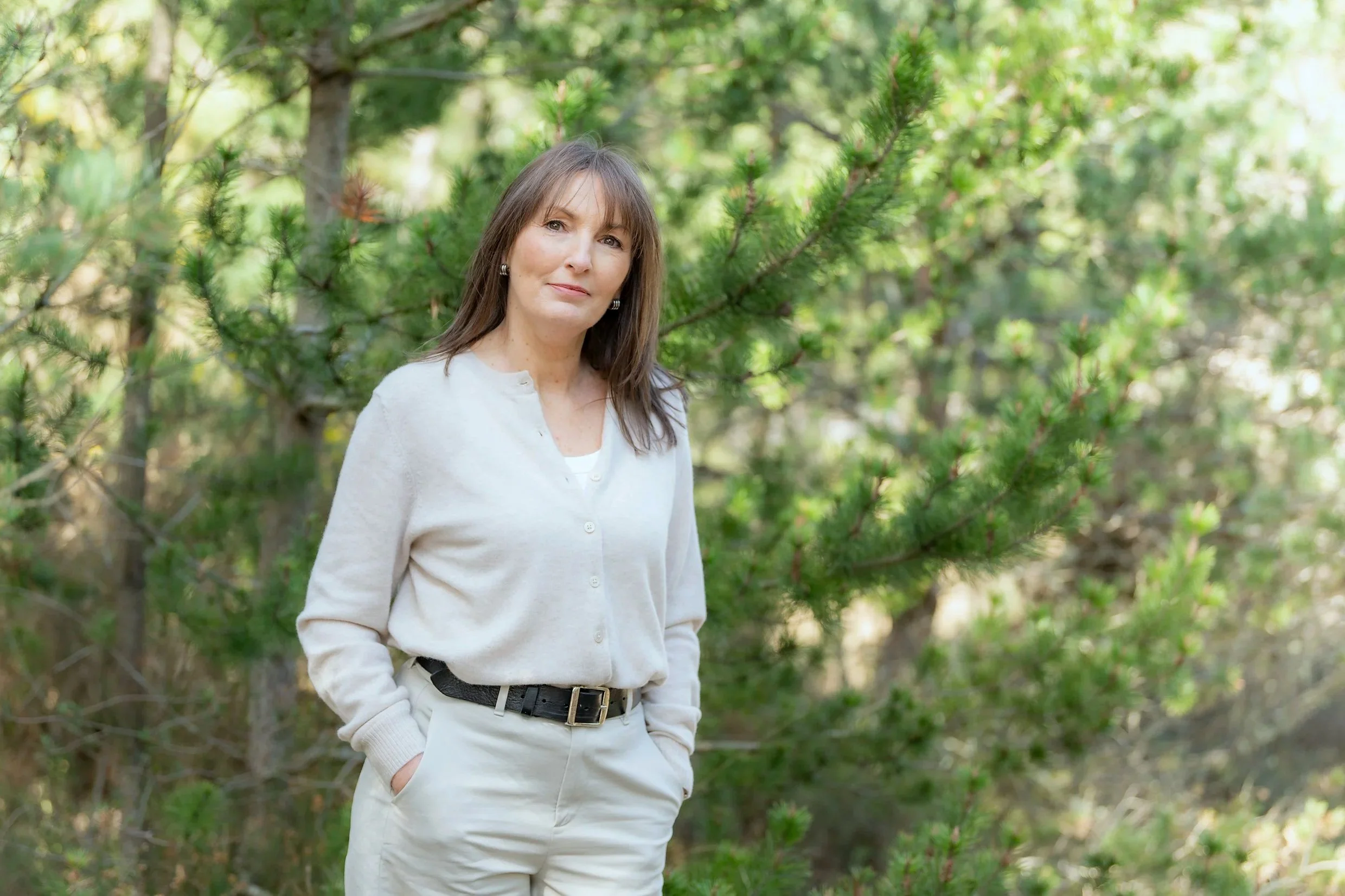
Receiving my ADHD diagnosis later in life has been profoundly transformative.
You can read more in part 2 of this blog, and if you’ve found resonance and are curious about working together, please feel free to be in touch to see if we’re a good fit. You can contact me here
Stay in touch
I occasionally send news, updates, and helpful content on navigating the complexities of ADHD and neurodivergence. Leave your email address below to receive these in your inbox