Finding myself at 58 pt 2
Living a Lifetime with Undiagnosed ADHD
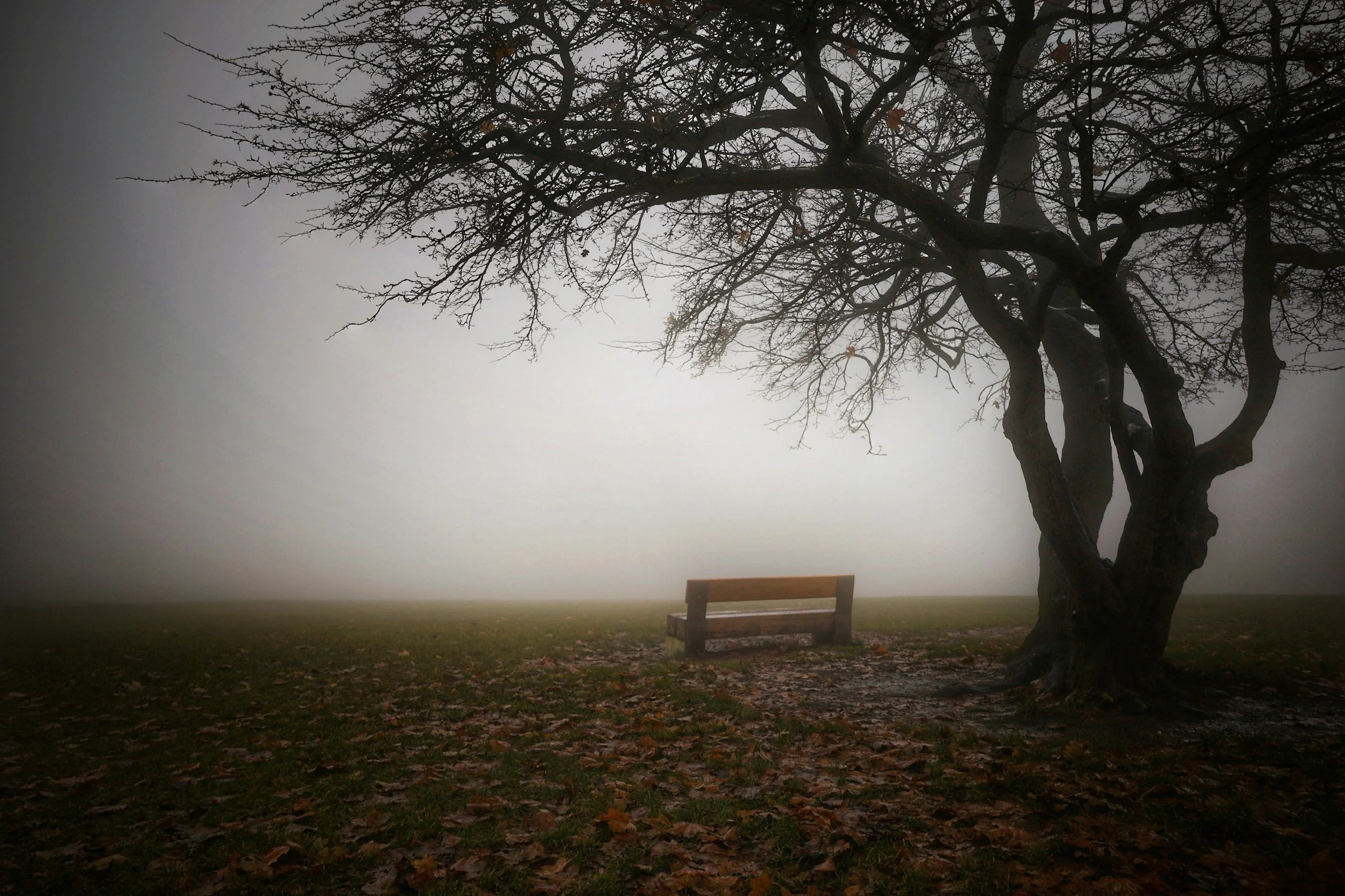
Experiencing the world differently
The hidden reality for girls and women of my generation came with clear expectations;
To be quiet, be polite, be good and seek approval. There was little room for difference.
At the same time, ADHD was largely studied in boys. Girls were overlooked. Many of us were never considered for diagnosis, even when the signs were there. Instead, we learned to adapt. We developed coping strategies. We masked our struggles. We pushed through. And in doing so, we became invisible.
Those early experiences didn’t stay in childhood; they followed me into adulthood.
They influenced my relationships, my career choices, and most significantly, my self-esteem. I spent years feeling not quite good enough, not quite organised enough and not quite capable enough. But I kept going. Like so many women, I built a life while quietly battling something I didn’t yet understand.
For me, the menopause unmasked everything. Looking back, I can clearly see the moment when everything shifted. Like many women, my turning point was menopause. What I had managed for decades, what I had learned to carefully juggle and hide, suddenly became impossible to ignore.
My symptoms intensified. I became far more forgetful than I had ever been before. Not just the occasional misplaced item, but a constant sense of things slipping through my grasp. My patience wore thin, and I began to notice just how quickly I became overwhelmed. My focus deteriorated in a way that felt frightening.
And perhaps most noticeably, my mind, already busy, became relentless. Thoughts raced faster, louder, more chaotically than ever before. My impulsivity increased, and I struggled to pause, to regulate, to feel in control.
Alongside this, something else became impossible to ignore, my demand avoidance. Tasks I had always found difficult became almost unbearable. Mundane jobs. Paperwork. Admin. I would avoid them entirely, putting them off until the very last minute, or sometimes not doing them at all. The level of procrastination became obvious, even to me. It was no longer something I could quietly manage in the background.
At the same time, I had taken a brave step and returned to university. This was something I truly wanted, but it brought new challenges. Meeting deadlines became overwhelming. Keeping track of tasks felt chaotic. Staying organised seemed out of reach.
And with that came something I hadn’t felt so strongly in years, my self-esteem began to suffer again. I found myself asking a question that many women ask:
Is this menopause… or is it something more?
For years, I had suspected ADHD. There had always been a quiet awareness, a feeling that I experienced the world differently. But I had managed, just enough, to carry on. I had built a life by adapting. By pushing through. By compensating. But now, those carefully built coping mechanisms were no longer enough. I realised that the feeling I had carried since childhood, that I was somehow “different”, had never really gone away. And so, seeking a diagnosis became not just helpful, but necessary.
Getting my diagnosis at 58 was both emotional and enlightening. Suddenly, my life had context. It wasn’t that I had failed to cope. It wasn’t that I wasn’t trying hard enough. My brain simply works differently. And with that understanding came something incredibly powerful; compassion for myself.
Now in my early 60s, I look back at my life with a new lens. I see the little girl who was told to be quiet but was bursting with curiosity. I see the teenager overwhelmed but determined. I see the woman who kept going, despite everything. And I feel proud.
Receiving my ADHD diagnosis later in life has been profoundly transformative. Although it followed years of confusion and self-doubt, it has brought a deeper understanding of who I am and how I experience the world, alongside a growing sense of self-acceptance.
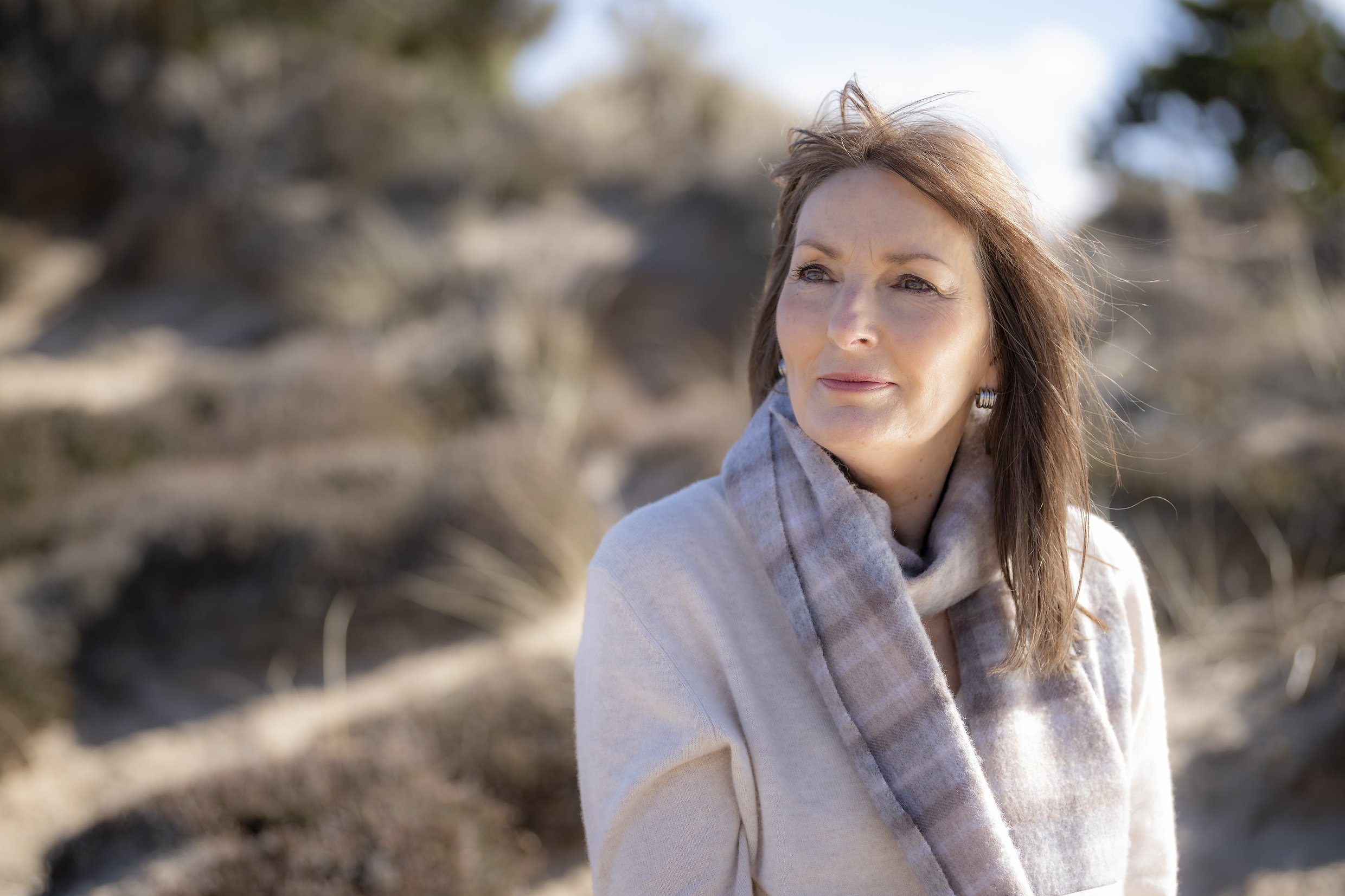
My late diagnosis isn’t just an explanation of my past, it is the beginning of a more aligned and empowered future.
You can read more in part 1 of this blog, and if you found resonance and are curious about working together, please feel free to be in touch to see if we’re a good fit. You can contact me here
Stay in touch
I occasionally send news, updates, and helpful content on navigating the complexities of ADHD and neurodivergence. Leave your email address below to receive these in your inbox